


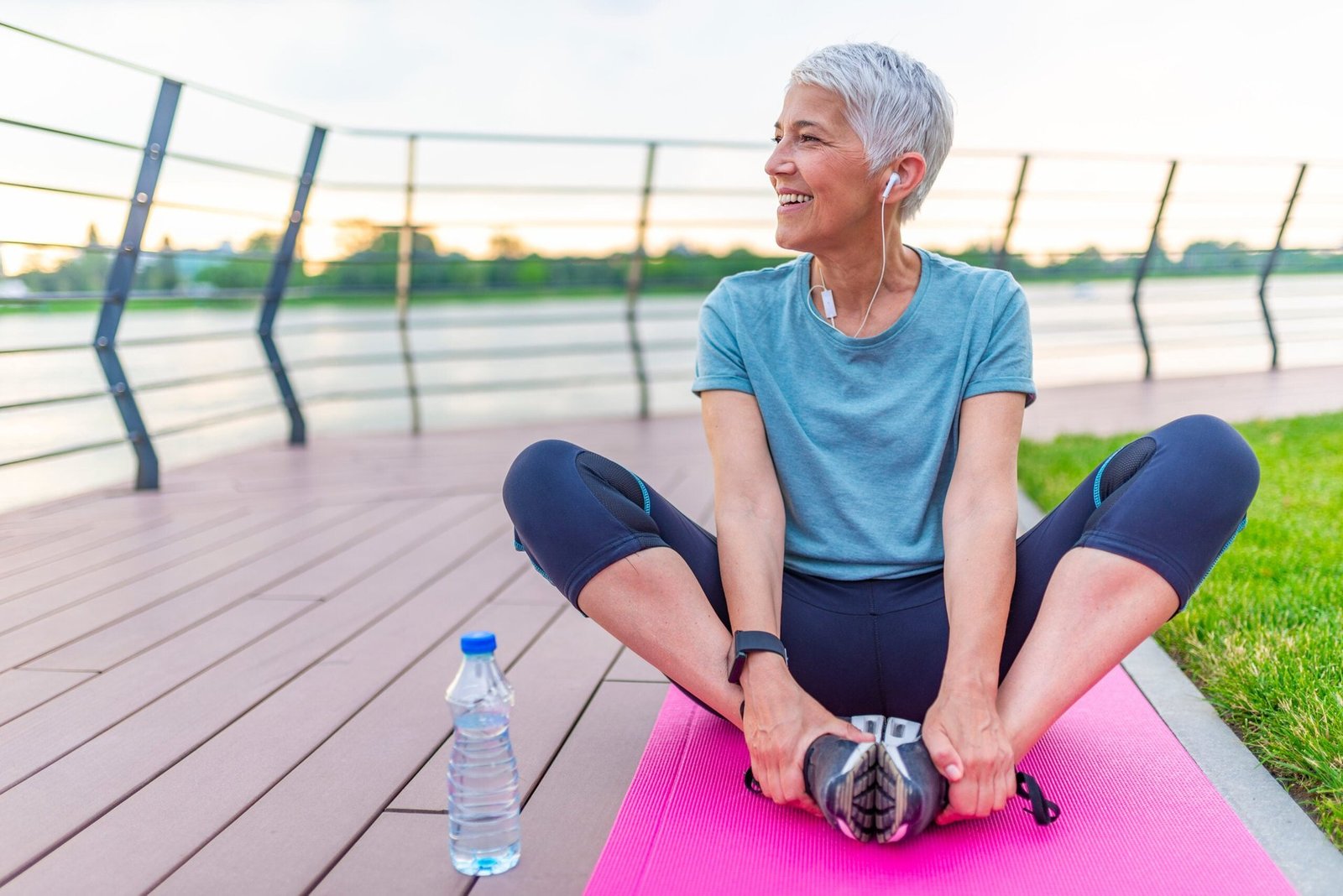
The transition into your 60s and 70s often brings a shift in how you perceive your own body. You might notice a slight hesitation when standing up from a favorite chair or a momentary lapse when trying to recall a neighbor’s name.
While these shifts are common, they are not necessarily an inevitable slide toward frailty. Recent insights from Stanford Medicine suggest that this specific window of life is actually the ideal time to cement habits that protect your mobility and cognitive function.
It is never too late to start — even if you have been relatively inactive for decades. Research indicates that increasing physical activity in your 60s can still provide significant fitness and well-being benefits regardless of your starting point.
In fact, even small increases in daily movement can slash your dementia risk by as much as 60%. View fitness as a strategic investment in your future ability to move, explore and live on your own terms.
1. Prioritize strength and power training
Muscles can weaken surprisingly fast as you age. Just a few days of total inactivity can trigger long-term mobility challenges that make independent living more difficult.
Sticking to a regular regimen can also help reduce your medical spending by helping you better manage chronic conditions like high blood pressure and Type 2 diabetes.
You do not need to lift heavy weights at a gym to see results. You can achieve similar benefits by using lighter weights with more repetitions, as long as you push the muscle to the point of fatigue.
Simple habits like sit-to-stand exercises — where you rise from a chair 10 to 15 times without using your hands — build the power necessary to carry groceries or steady yourself if you trip. If a long walk feels daunting, breaking up your movement into 10-minute increments throughout the day can be just as effective for your cardiovascular health.
2. Focus on balance and gait
Falls are a primary cause of injury and loss of independence for older adults, making balance training a non-negotiable part of a daily routine. You should not wait until you feel unsteady to begin.
Simple static balance exercises, such as standing on one leg while holding a countertop, can have a profound impact. One study found that adults aged 51 to 75 who could stand on one leg for at least 10 seconds had lower mortality rates.
To make this a habit, practice your balance while doing another daily task, like brushing your teeth.
3. Optimize nutrition for muscle maintenance
Your nutritional needs change as your body’s ability to build muscle declines. Even if you are consuming fewer calories overall, you likely need more protein to prevent frailty. Healthy older adults should aim for roughly 1 gram to 1.3 grams of protein per kilogram of body weight each day.
For a person weighing 150 pounds, this translates to about 68 to 88 grams of protein daily. You can reach this by including 20 to 30 grams of protein in each meal — roughly the amount found in a cup of Greek yogurt or a small chicken breast.
Beyond protein, shifting toward a Mediterranean-style diet rich in olive oil, nuts and leafy greens can lower your stroke risk by 18% and help protect against Alzheimer’s.
4. Engage in cognitive and social exercise
Protecting your brain involves more than just individual puzzles. While crosswords and learning new skills are helpful, social connection is perhaps the most protective habit for long-term brain health. Maintaining robust social networks reduces stress and combats the feelings of isolation that can accelerate cognitive decline.
Conversations are complex cognitive tasks. They require you to listen, process context and respond in real time, which keeps the brain active in ways a solitary game cannot.
People who maintain close friendships or engage in volunteer work often show better memory and cognitive function than those who become socially isolated.
5. Personalize your preventive care
Preventive medicine in your 70s is less about following a rigid checklist and more about personalizing care based on your overall health. While some screenings may become less frequent, others become more critical.
For instance, at-home fecal tests have been found to be as effective as colonoscopies at detecting existing colon cancer for those in their 60s.
Hypertension often has no outward symptoms but is a major contributor to stroke and cognitive decline. Regular checks with a primary care provider allow you to track these metrics and adjust medications or lifestyle choices before a crisis occurs.
Annual vision and hearing tests are also vital, as sensory loss can significantly increase your risk of falling.
Life Line Screening reveals hidden risks so you can act early. Book a screening today and have peace of mind.
Taking the next step for longevity
Aging successfully is not about stopping the clock, but about giving your body and mind the tools to function at their highest level. Whether it is adding protein to your breakfast or practicing a one-legged stand in the kitchen, these small adjustments create a foundation for a more vibrant, independent future.
