


Editor’s Note: This story originally appeared on Live and Invest Overseas.
Our 2026 Overseas Retirement Index ranks and rates the 12 best locales for a retirement abroad this year. We consider everything from cost of living to climate, real estate to residency, health care, expat community, and more…
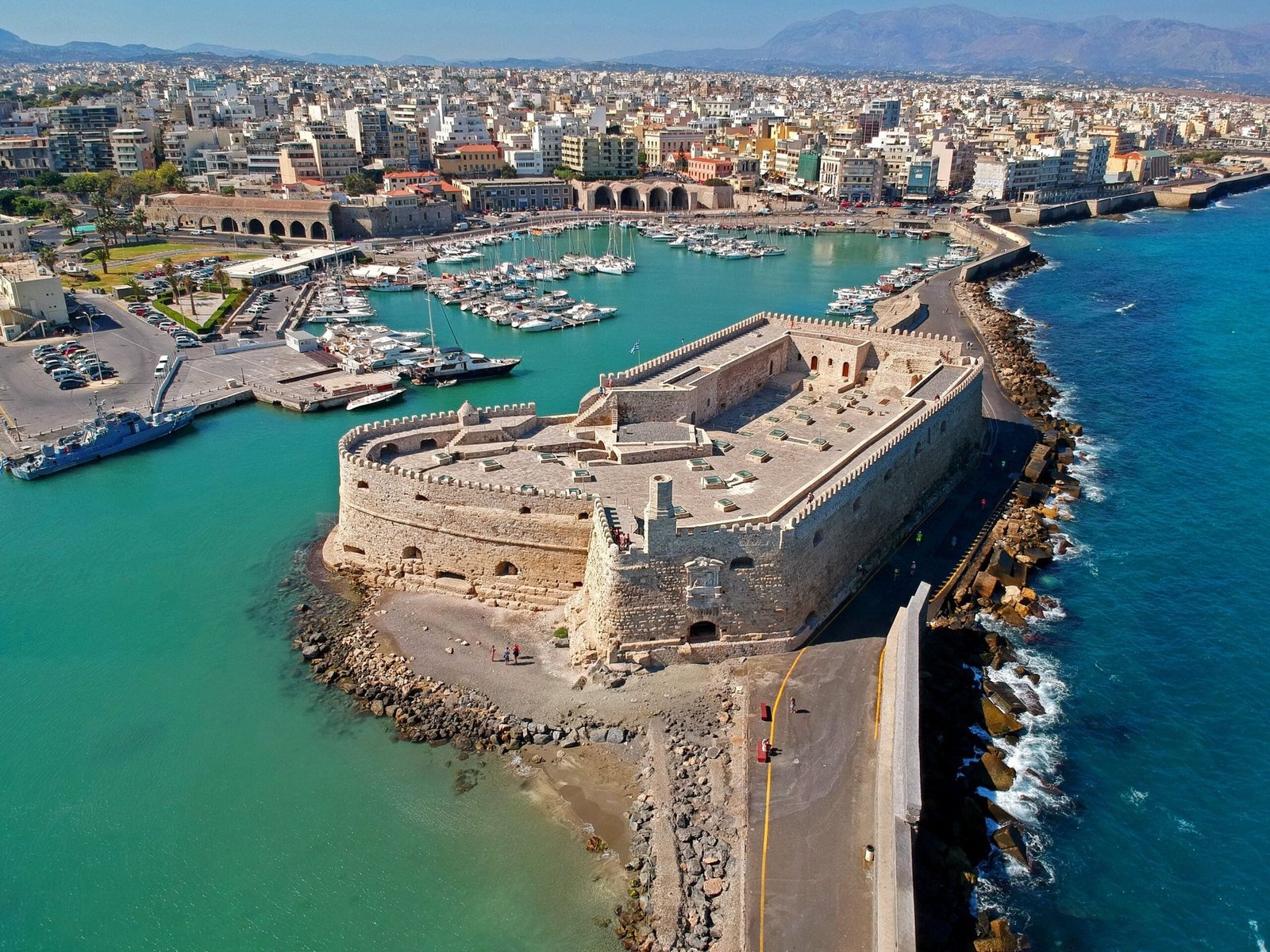
Our number one pick in Greece is the island of Crete. A geographically blessed paradise packed with attractive lifestyle options … from cities like Chania (pronounced haa-nee-uh) and Heraklion (pronounced heh-ra-klee-uhn) to pristine wilderness, charming beach towns to snow-capped mountains, and ancient olive groves to mountain villages.
The climate is a big draw here. Crete gets some of the most sunshine hours in all of Europe. Plus, you’re never far from the glistening Mediterranean Sea, and the beaches are the ideal place to cool off on hot summer days.
Crete is big enough that it’s easy to stave off island fever. And it’s easy and inexpensive to get away, with low-cost airlines serving its two international airports as well as boats and ferries.
It’s also big enough to offer a multifaceted property market with different property types (from restoration projects to new builds) and price points to suit all budgets.
Delightful island life

Just about anyone who visits Crete and Chania specifically would be delighted with the island life here … especially if they love sunshine and being outdoors, enjoy learning about ancient history, and like a laid-back version of the European lifestyle.
Crete is an affordable place to live, and because the island is so big, there’s enough room for budget flexibility. Outside of the cities, rent can be as little as $500 per month.
Local produce is cheap, and so too is dining out, with the average meal at a taverna costing about $18.
Cretan laiki (weekly street markets) are a big deal here especially in Chania, Heraklion, and Rethymno. Local farmers bring their fresh vegetables, herbs, cheese, olives, olive oil, honey, and seasonal fruit to sell at great prices.
Sun‑ripe tomatoes, juicy melons, cured meats, local cheeses, aromatic herbs, and more weigh down the colorful stalls.
What to expect to spend

Two expenses you’ll most likely have to take on are the cost of car ownership (fuel can be pricey) and electricity because you’ll definitely want air conditioning at home.
Both public (available through the National Health System (ESY)) and private health care facilities are available on Crete. Most are centered around Chania and Heraklion where standards of care are generally high and you can have most health care needs taken care of. Bigger public hospitals are well-equipped and have English-speaking staff.
With a residence permit and an AMKA number (the social security ID) you can gain access to Greek public health care. That said, many expats maintain international health insurance (affordable relative to insurance costs in the U.S.) to receive care faster and access private facilities.
Around the main population zones, locals speak English at a passable level. You’ll be able to achieve day-to-day tasks and have conversations with people, especially younger folks, without misunderstandings.
Crete has expat communities spread out across the island. The biggest populations of expats are found in Chania and Heraklion, although you’ll find pockets of expats almost everywhere. Because of the U.S. naval base in Souda Bay, made up of 350 commissioned and enlisted personnel, there’s a fairly large community of American expats here.
