

Editor’s Note: This story originally appeared on Live and Invest Overseas.
Moving from the United States to another country is an opportunity to leave a consumerism-driven lifestyle behind for good.
The U.S. may have the most consumerist culture in the world. But buying stuff doesn’t make you happier.
Will Rogers said it best when he said, “Too many people spend money they haven’t earned, to buy things they don’t want, to impress people that they don’t like.”
By moving to a new country, you can be exposed to a new perspective… one that embraces minimalism. This doesn’t mean that you can’t treat yourself on occasion or that you have to live like an ascetic…
But minimalism can give you a new sense of control over your life and finances. Here’s how to shift to a minimalist mentality when you move overseas.
What Is Minimalist Living?
Minimalist living involves simplifying your existence. It means owning just the things that add meaning and value to your life.
Minimalist living can increase feelings of autonomy, competence (feeling in control, less stress and anxiety), mental space, awareness, and positive emotions (joy, peacefulness, etc.), according to the International Journal of Applied Positive Psychology.
Not bad for something that also saves you money.
People overconsume when they don’t feel satisfied with their lives. But wouldn’t it be more satisfying to learn a new skill, work on a personal project, or spend time socializing rather than shopping?
By moving to a slower-paced paradise overseas, you’ve got an opportunity to start fresh and design a life that truly fulfills you.
Before you move overseas, you need to think about downsizing and decluttering. What, if anything, do you absolutely need to take with you?
You don’t need to dump all your antiques and prized personal possessions … but make sure you’re not hauling stuff you don’t need around the globe.
Things you should get rid of include the kitchen appliances you haven’t used in over a decade, clothes that you last wore five sizes ago, and “art” that wouldn’t make $5 in a yard sale. When my buddy Al brought his snowplow to Belize, it was a sign that he had a hoarding problem.
If you plan on shipping your household effects overseas, make sure that their value is more than the cost of shipping. Local alternatives to furniture might be better quality and better value.
If you’re considering getting rid of something valuable, try selling it online, have a garage sale, or donate it to charity.
Some prospective expats put everything they can’t haul overseas into storage. They end up paying for that storage for decades, racking up considerable fees that could be better spent on something that enriches their everyday life.
I’m not saying that you can’t store some valuable furniture in case you decide to return home at some stage… but your dog-chewed recliner probably isn’t worth the cost of long-term storage.
The Best Places to Go Minimal
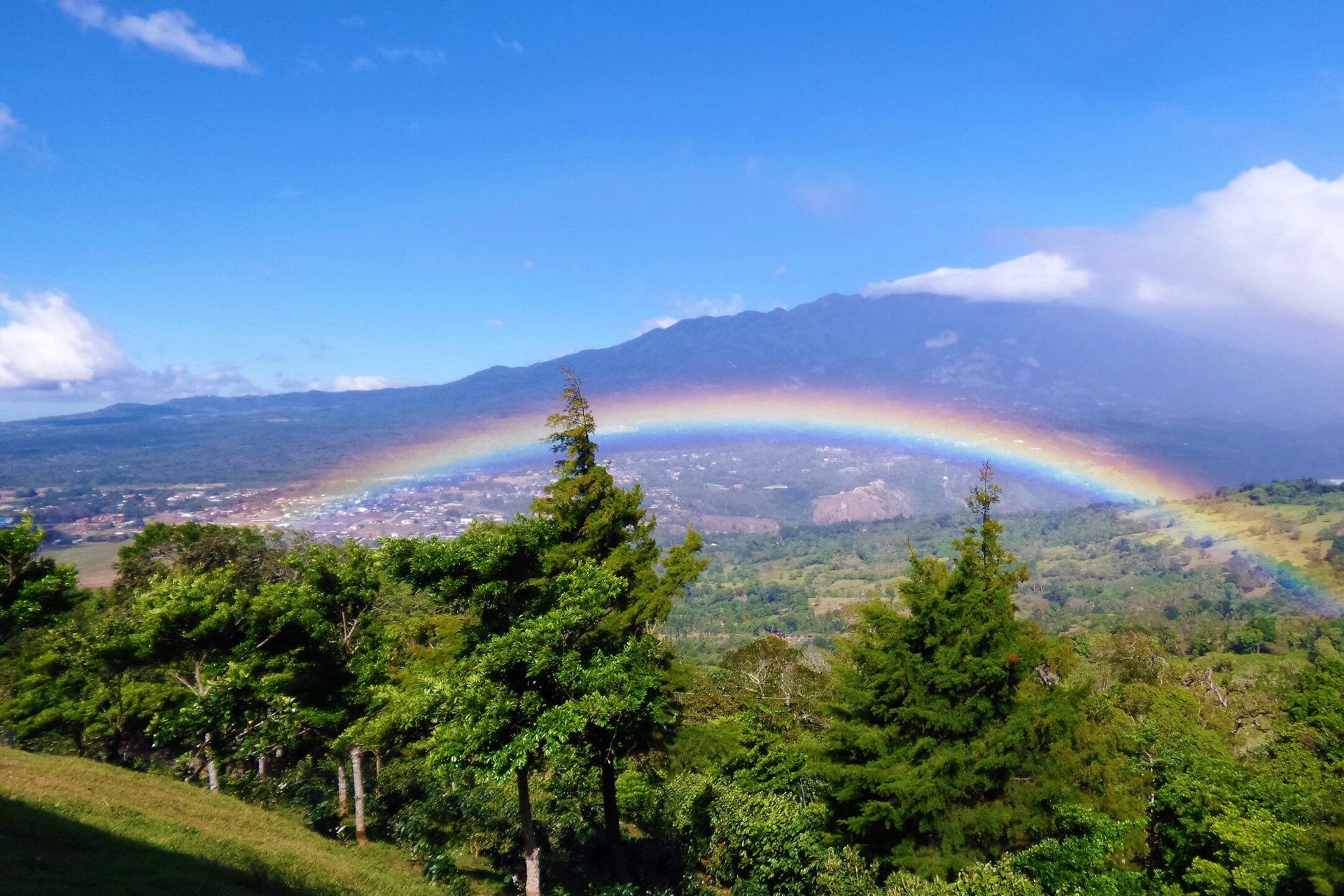
The easiest places to live a minimalist life are places in the Goldilocks’ zones … places that are never very hot and never very cold. Boquete, Panama; Medellin, Colombia; and Da Lat, Vietnam, are all ideal locations for minimalist living. They’re all highland towns with stable, spring-like temperatures year-round.
Because temperatures are steady and comfortable year-round, expats don’t need air-conditioning or central heating systems that use energy in these places.
This also means you can downsize your wardrobe and bedding. You won’t need a hot-weather wardrobe and a cold-weather one, as the temperature in these places is always comfortable and rarely fluctuates.
Here’s how to set up a minimalist lifestyle.
Choose Wisely
When you move overseas, you have the opportunity to choose a new kind of home. You should bear the ease of maintenance and cleaning in mind when you select your new home.
Try to pick a home made from low-maintenance materials like stone or concrete. Wooden houses and decks require regular upkeep, while concrete patios can be left for years with little concern.
Inside, you should prioritize clean lines and hard surfaces, which make for calming spaces that are easy to clean. Carpets and drapery can be a curse in hot, humid places where mold and mildew can ruin them and your health.
Size Matters
In the U.S., homes are massive, at a median of more than 2,500 square feet… More space can be a burden when it comes to cleaning and maintaining your space. Plus, you’ll be inclined to fill all the extra space with more stuff.
How much space do you really need to live comfortably? According to many residents of Carmelita Gardens in the Cayo District of Belize, not much…
Many residents have opted to live in tiny homes with minimalist layouts and smart designs. These expats spend more time in nature or on their large covered porches rather than being inside watching TV. They adore their tiny homes and their new lives in Belize.
Buy Multifunctional Furniture
I take great joy in multifunctional furniture. Daybeds that also function as couches free up space. Underbed storage drawers remove the need for shelving that clutters your walls. There are all kinds of innovative storage solutions available.
Embrace a Car-Free Lifestyle
The U.S. is designed for driving, but not every country in the world is set up this way.
In some places overseas, cars can be more of a hassle than they’re worth. Parking, permitting, running costs, and simply driving on narrow streets can be big inconveniences.
Consider if you need two cars in your new home country. Maybe you can get by with one, or maybe you won’t need any car if the public transport options are good enough.
Walkable cities with great public transport, like Florence, Paris, and Porto, make it easy to live without the hassle of owning a car.
I know several expats who share an old car with neighbors for shopping and road trips and travel happily on efficient local transport and inexpensive taxis for their day-to-day lives.
Consider a Low-Effort Garden
Want a garden? If so, why not a minimal maintenance cactus and succulent garden with gravel instead of grass? You won’t need tools or a full-time caretaker to keep it looking great.
Or even better, how about a Zen garden that is all stone and gravel for a perfect meditative space? You can lock up your home or rent it out for months without having to worry about watering your plants.
If you must have a pocket of real greenery for your mental health, a lush vertical garden can be done in a space as small as a balcony. Here you can grow plants, flowers, and herbs up your walls to create a green refuge that takes minutes per week to maintain but gives the meditative benefits of a far larger garden space.
Simplify Your Finances
To simplify your financial life, start by paying off your credit cards as fast as you can. Then, create a realistic monthly budget that is below your means. The good news is that in many attractive places overseas, the cost of living starts far lower than it does in the U.S.
You can also minimize financial stress by moving your stock portfolio into a diversified index fund. If you decide to hold other investments, ensure they’re turn-key so that you don’t need to concern yourself with their management.
Maintain Minimalism Long-Term
It’s normal that when we undergo a radical lifestyle change, we enter it with enthusiasm. Over time we can find ourselves backsliding into old habits…
Sticking to a minimalist lifestyle will take practice, but you’ll be rewarded in the end with lower stress, more funds, and richer experiences.
