

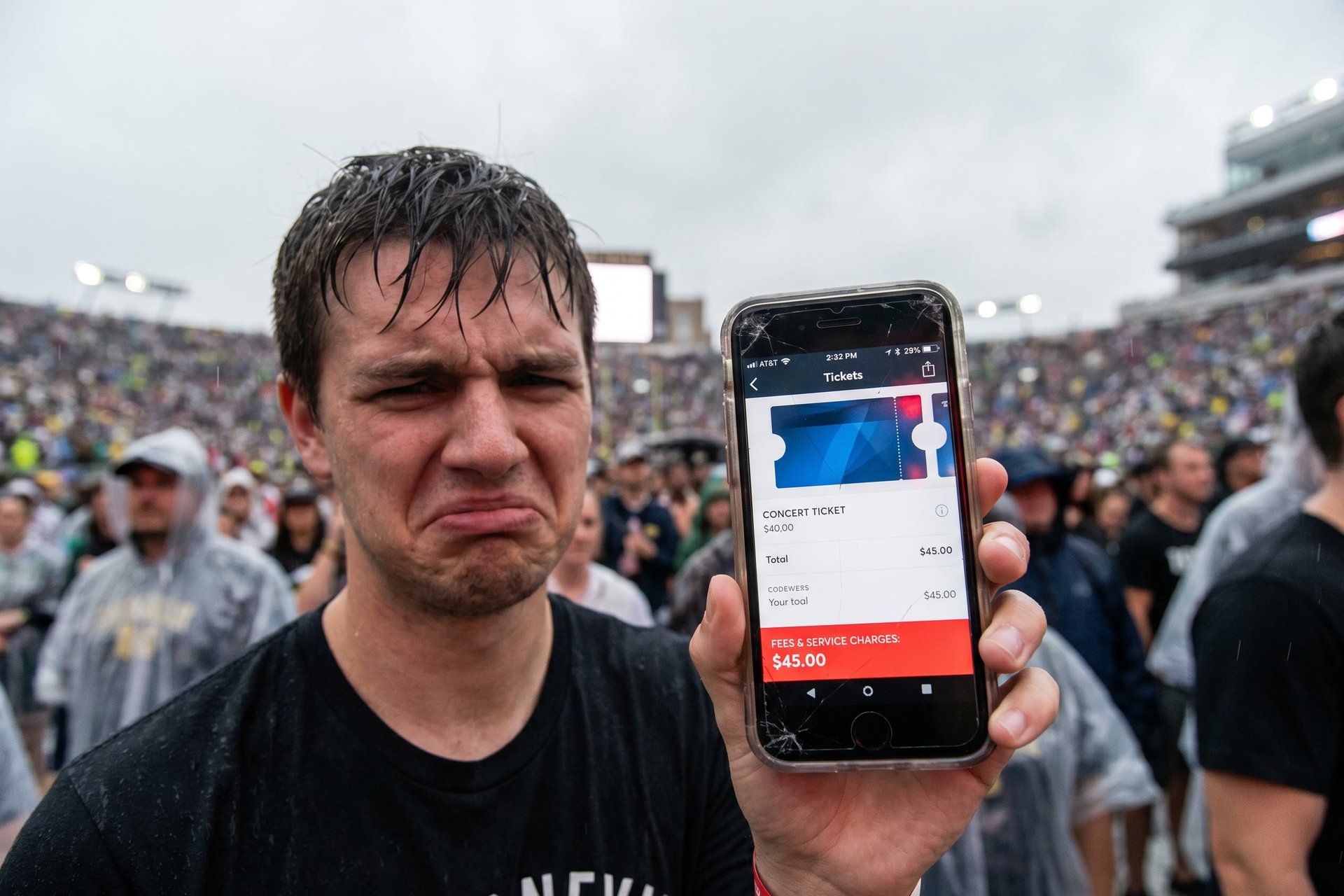
Washington DC has won nearly $10 million through a settlement with Live Nation over deceptive Ticketmaster pricing practices, and local residents may soon see money back in their pockets.
What triggered the settlement secured by Attorney General Brian Schwalb, and how can people in DC receive their share of the settlement? Here’s what to know.
What Did the Attorney General Investigation Reveal?
The attorney general’s office said it was awarded $9.9 million after an investigation found Live Nation “misled customers about ticket prices, charged deceptive fees and used illegal pressure tactics to get fans to buy tickets for a decade.”
Live Nation is accused of violating the District of Columbia’s Consumer Protection Procedures Act through what the attorney general’s office calls “deceptive bait-and-switch” tactics.
“For at least a decade, Live Nation and Ticketmaster boosted profits by charging predatory, hidden fees — taking advantage of DC residents buying tickets for their favorite artist or team and pricing others out entirely,” Schwalb said Monday. “With this settlement, we’re putting millions of dollars back into the pockets of DC fans and ensuring that the price fans see when they first start shopping for tickets is the price they actually pay.”
Live Nation made changes to its procedures last year after the attorney general’s investigation.
What Are the Terms of the Settlement?
Of the $9.9 million the District will receive, $8.9 million will go to Live Nation customers. The other $1 million will be paid to DC.
Live Nation is now required to show the full price of tickets up front, and they must share information about the purpose of extra fees and who profits from it.
How Will DC Residents Get Paid?
The attorney general’s office said it will announce in the coming months how people can make claims to get their refunds. For now, the details are still being worked out.
“It definitely will be based on what they paid in terms of fees. Whether we will be able to refund 100% of every single fee for 10 years, that’s what we’re trying to figure out,” Beth Mellen, assistant deputy attorney general in the public advocacy division, told NBC Washington. “Our goal is to get as much of the $8.9 million out the door to consumers in their pockets.”
