


Something worth paying attention to happened in medicine over the last year. Not a drug approval or a clinical breakthrough. Something quieter.
Physicians started getting time back.
According to the Doximity 2026 State of AI in Medicine Report, which surveyed more than 3,100 U.S. physicians, AI use in clinical practice jumped from 47% to 63% in less than twelve months. The tools doing most of the heavy lifting are not diagnostic algorithms.
They are documentation assistants, note scribes, and literature search tools… the kind of software that chips away at the administrative work that follows physicians home at night.
Three-quarters of physicians who adopted AI reported reduced administrative burden and better job satisfaction. That is not a minor quality-of-life improvement. That is hours returning to physicians who had stopped expecting them back.
The bigger question, and the one most financial content never touches, is this: what do those hours become?
Disclaimer: While these are general suggestions, it’s important to conduct thorough research and due diligence when selecting AI tools. We do not endorse or promote any specific AI tools mentioned here. This article is for educational and informational purposes only. It is not intended to provide legal, financial, or clinical advice. Always comply with HIPAA and institutional policies. For any decisions that impact patient care or finances, consult a qualified professional.

The Time Problem Is Real, and AI Is Moving It
Most physicians did not go into medicine planning to spend their evenings doing paperwork. But somewhere between the EHR revolution and the explosion of insurance documentation requirements, a large portion of a physician’s working life migrated off the clock and into after-hours chart work.
The administrative load is one of the most consistent drivers of burnout in the profession. The AMA’s 2026 Physician Survey on Augmented Intelligence found that 70% of physicians see AI as a tool to automate exactly those tasks.
Ambient scribes that document encounters in real time, AI tools that draft prior authorization letters, systems that summarize patient records before a visit. These are not futuristic features. They are available now, and physicians are already using them.
For someone still on the fence about whether AI tools are worth the learning curve, the concrete question to ask is: where does the most time go right now that has nothing to do with patient care? That answer usually points directly to where AI can help first.
What Usually Happens With Recovered Time, and Why It Matters
There is a predictable pattern when physicians free up time. The default move is to fill it back up with clinical work. More patients, extra shifts, additional admin catch-up.
It is the familiar path, and it makes sense in the short run.
But clinical income has a ceiling that cannot be moved: time. The income stops when the physician stops. That is not a flaw, it is just the structure of active income. And AI tools that free up ten hours a week cannot change the financial picture if those ten hours immediately become ten more clinical hours.
The physicians building financial independence outside of medicine tend to share a common starting point. It was not access to the right investment deals or knowledge of the right strategies. It was time and cognitive bandwidth.
The mental energy to actually evaluate a syndication, draft a consulting scope, or start a side project is not available at the end of a twelve-hour shift with two hours of charting still ahead.
AI tools change that math. They do not hand anyone a financial plan. But they do create the conditions where one becomes possible to act on.
Three Ways to Direct the Time That AI Returns
These are not investment strategies. They are ways to think about recovered time, what it can do if directed intentionally rather than absorbed back into the same clinical grind.
1. Review the investments already on the table.
Most physicians interested in passive income have a list of things they have been meaning to look into. A syndication a colleague mentioned. A real estate fund with a minimum they can meet. A private placement that arrived in an email three months ago. The barrier is almost never capital. It is the time and mental clarity needed to actually read the materials, evaluate the sponsor, and make a confident decision.
Even 30 focused minutes, three times a week, changes that. Physicians who engage in passive investing tend to say the same thing: good decision-making requires cognitive energy they rarely have during a clinical week. AI-recovered time creates openings for that kind of thinking.
2. Start the income stream that does not require showing up.
Courses, consulting, content, coaching. These take time to build, but once built, they generate income without requiring the physician to be physically present. The work is front-loaded.
The challenge has always been finding the hours to start. What used to require a cleared weekend can now happen in the margins of a clinical week when documentation overhead drops. That does not make it easy, but it makes it possible in a way it often was not before.
3. Systematize what is already running.
For physicians who already have passive income streams (rental properties, syndication investments, or any outside business), there is still an ongoing maintenance cost.
Tenant communications. Quarterly reports to read. Bookkeeping to review. Tax documents to organize.
AI tools handle a growing portion of that overhead. Drafting communications, summarizing investor updates, flagging items that need attention.
The goal is to make passive income more genuinely passive, reducing the time tax that comes with maintaining income streams so more of it stays as actual free time.
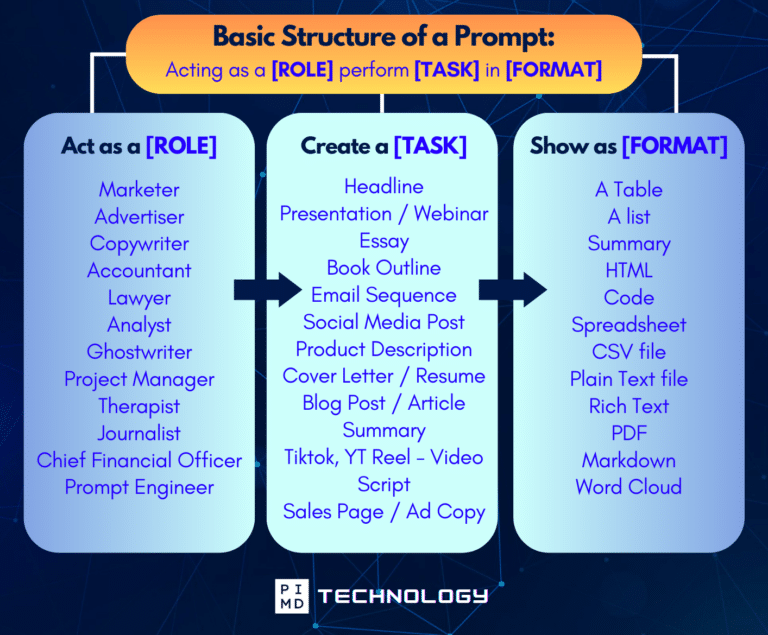
Unlock the Full Power of ChatGPT With This Copy-and-Paste Prompt Formula!
Download the Complete ChatGPT Cheat Sheet! Your go-to guide to writing better, faster prompts in seconds. Whether you’re crafting emails, social posts, or presentations, just follow the formula to get results instantly.
Save time. Get clarity. Create smarter.
Starting Points for Physicians Who Are New to AI Tools
For anyone not yet using AI in their practice, the entry point with the highest return is documentation.
Ambient scribes connect to a conversation during a patient encounter and generate a draft note afterward. Most major EHR platforms either have a native version or integrate with third-party tools. The fastest way to find out what is already available is to ask the practice’s IT or operations contact.
For physicians already using basic AI tools but not yet applying them outside of clinical work, the useful starting question is concrete: where does time still disappear after the clinical day?
Inbox management, prior auth letters, reading and responding to investor materials, administrative work for any side business. AI tools designed for each of those categories exist and are more accessible than most physicians realize.
The AMA’s Center for Digital Health and AI maintains a running collection of guidance on AI integration, covering documentation, governance, and workflow implementation. It is a practical starting point for physicians who want to evaluate tools thoughtfully before committing to one.
Final Thoughts
Time is the one input that every physician has in fixed supply. Clinical income is valuable but it is also the most time-dependent income that exists. Every hour a physician works is directly traded for compensation, and every hour off is not.
Passive income breaks that link. But building it requires time that most physicians have not had. AI tools are returning some of that time now, in real ways, to a growing share of the physician workforce.
That is the opportunity worth paying attention to. Not which specific investment to make or which side project to start.
But the fact that the conditions for building financial independence… time, mental bandwidth, the capacity to think beyond the next shift, are more available now than they have been in a long time.
What gets done with that time is entirely up to the individual physician. But treating those hours as an asset, rather than a gap to fill with more clinical work, is a financial decision in itself.
But what do you think? Is passive income something you’d like to explore? Let us know in the comments!
At Passive Income MD, we cover the tools, strategies, and practical AI workflow tips helping physicians build more time and financial freedom. We’ll keep tracking where AI goes from here.
Download The Physician’s Starter Guide to AI – a free, easy-to-digest resource that walks you through smart ways to integrate tools like ChatGPT into your professional and personal life. Whether you’re AI-curious or already experimenting, this guide will save you time, stress, and maybe even a little sanity.
Want more tips to sharpen your AI skills? Subscribe to our newsletter for exclusive insights and practical advice. You’ll also get access to our free AI resource page, packed with AI tools and tutorials to help you have more in life outside of medicine. Let’s make life easier, one prompt at a time. Make it happen!

1 Comment
Відкрив для себе https://melodyua.com — відмінна платформа для скачування mp3. Новинки музики з’являються одразу, каталог величезний. Раджу всім любителям музики.